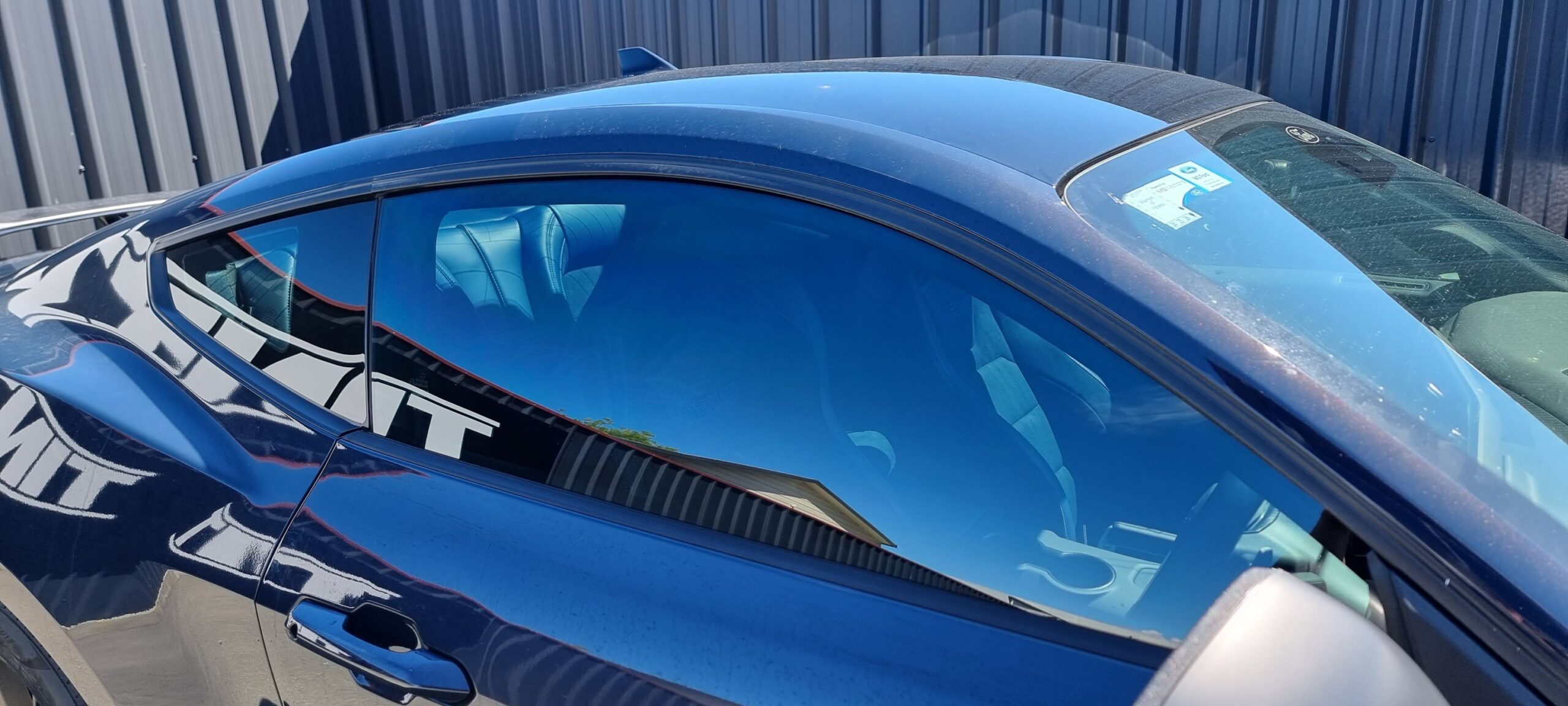
At TINTZ Tasman, we’ve been tinting for over 20 years and have tried & tested every type of automotive window film available. This is important as not all films are equal, in fact, they’re far from it.
Window tint technologies range from basic dyed films to advanced multi-layer ceramic films, with performance, longevity, and price increasing alongside technology. Multi-layer nano-ceramic represents the highest performance, offering extreme heat rejection (up to 98% IR), while standard dyed is the most affordable but prone to turning purple and peeling.
Window Tint Comparison Summary:
- Multi-Layer Nano-Ceramic: The pinnacle of tint technology, using multiple layers of ceramic nanoparticles to block nearly all IR heat (90–98% IR rejection) while maintaining excellent visibility. Best for maximum heat rejection and comfort.
- Nano-Ceramic: High-performance, non-metallic ceramic particles. Superior heat rejection (70–88% IR) and 99% UV protection. These films do not interfere with electronics and are highly durable, resisting fading and delamination.
- Ceramic: High-quality, non-metallic tint using ceramic particles. Offers excellent heat reduction (usually 50-70% IR) compared to standard tint and does not fade or turn purple over time.
- Carbon: Uses carbon particles to block IR heat (roughly 40-50% IR rejection). It has a matte black, non-reflective appearance that does not fade. It is a solid, long-lasting, mid-tier option.
- Metal Hybrid/Metallized: Combines colour-stable dyed layers with metallic particles. Very effective at reflecting heat (usually up to 60% total solar energy rejection) and is durable, but can interfere with cell phone, GPS, and radio signals.
- Colour-Stable Dyed: A superior, more durable version of standard dye, using “deep-dye” technology to resist fading. Colour-stable dyed films usually reject up to 45% of total solar energy, last much longer than standard dyed films (15+ years) and won’t turn purple, making it a good “value” option.
- Standard Dyed: Entry-level tinting option. Only reduces heat slightly (20–30%), lasts 2-5 years, and is highly prone to turning purple and bubbling.

Leave A Comment